Most property owners do not consider garage door springs until one breaks. That is understandable. Springs sit over the door or along with the tracks, doing hard mechanical job silently and out of sight. Yet they are among the most fundamental parts of the entire system. When a springtime damages or breaks, the door can come to be hefty, jagged, noisy, or totally inoperable. In many cases, it can also end up being dangerous.
The short answer is that garage door spring replacement is usually driven much less by age alone and more by cycle life, door weight, everyday use, climate, and exactly how well the remainder of the system is maintained. In a typical home, conventional springtimes frequently last someplace between 7 and 12 years. In a hectic home, they can wear rather. In a reduced usage setting, they may last longer. For commercial garage door repair, the timeline is generally much shorter since the door simply opens and shuts even more often.
If you desire a valuable guideline, strategy to begin thinking seriously regarding substitute around the 7 year mark for a typical residential arrangement, and earlier if your garage door is utilized as the primary entryway to your home. That does not indicate every springtime requires to be changed precisely on time. It means the clever move is to watch for wear prior to you get surprised by a sudden failure.
What garage door springs really do
A garage door spring does not just aid the door move. It counterbalances the weight of the door so the opener and the person using the door do not birth that full load. A dual garage door can weigh a pair hundred extra pounds or more depending upon product, insulation, and dimension. Springs store mechanical energy when the door closes and launch it as the door opens.
That is why a garage door opener is not suggested to lift a dead weight by itself. The opener guides and controls the motion. The springs do the heavy lifting. When springs compromise, the opener pressures, the cords and rollers take added stress and anxiety, and the entire system breaks much faster. I have seen many solution calls that begun as "the opener is falling short" when the genuine trouble was a set of aging springtimes that had actually shed stress over time.
There are two common spring enters residential garage door repair. Torsion springtimes install over the door opening and twist on a shaft. Extension springtimes stretch along the straight tracks. Torsion systems are normally extra long lasting, smoother, and much safer when properly mounted, which is one factor they prevail in newer garage door installation projects.
Why "how often" depends on cycles, not just years
Spring life is generally ranked in cycles. One cycle is one complete opening and one full closing. Numerous typical property springs are rated around 10,000 cycles, though higher cycle choices are readily available. If a family opens up the garage door four times a day, that is roughly 1,460 cycles each year. At that pace, a 10,000 cycle springtime could last near 7 years. If the family members uses the garage as the main front door and runs the door eight times a day, that same springtime might be nearing completion of its life in about three to four years.
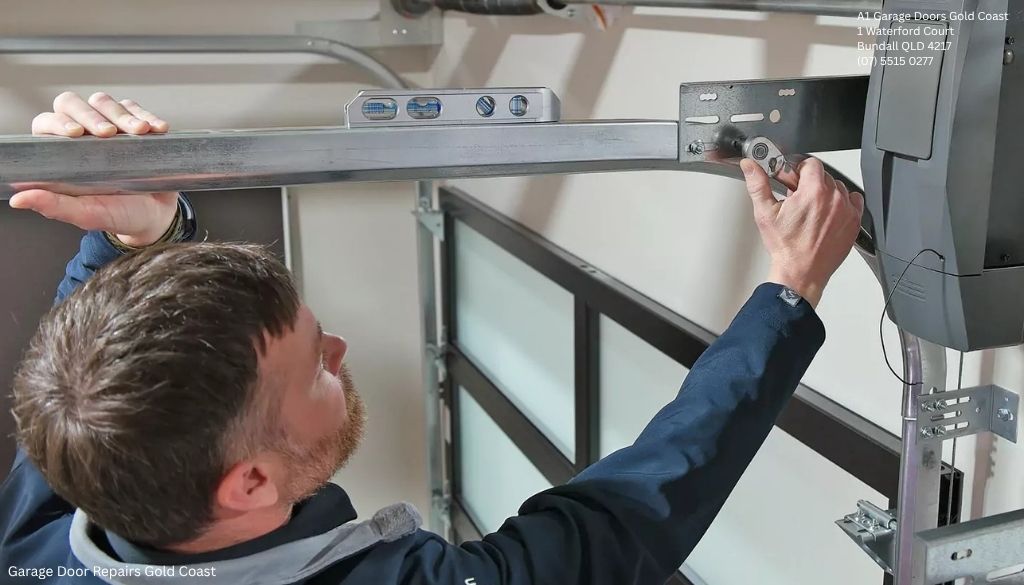
This is where house owners typically get caught off-guard. A garage door that sees constant use can wear out long before it "looks old." A spring is a fatigue component. Each open and close creates stress and anxiety. Over thousands of reps, the metal slowly sheds resilience.
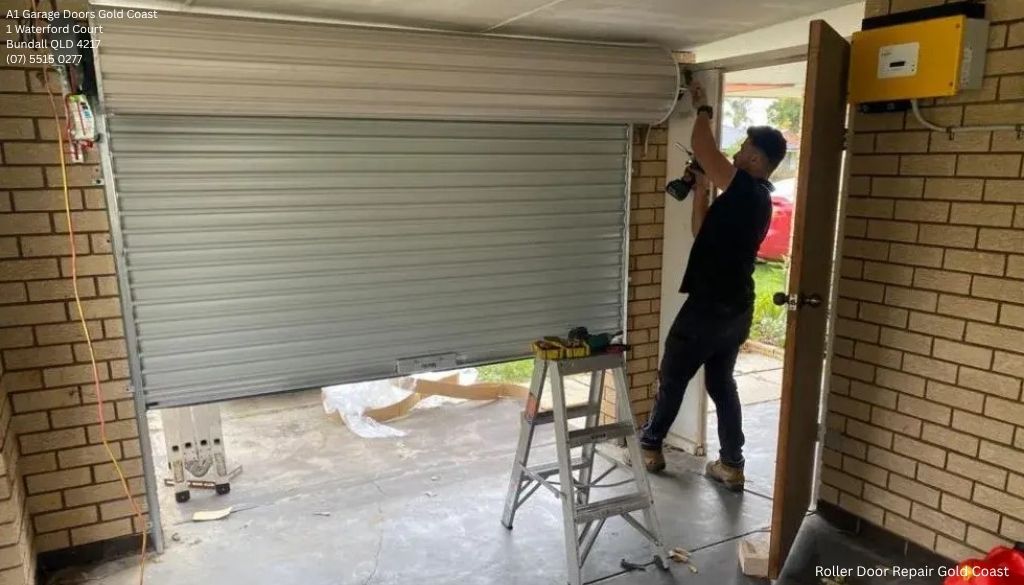
Commercial residential or commercial properties are a different group completely. In business garage door repair, a door might cycle loads of times each day. Stockrooms, service bays, loading areas, and car parking frameworks can melt through conventional property grade assumptions rapidly. For those applications, higher cycle springs and more frequent evaluation timetables are not a high-end. They are standard operating discipline.
Typical replacement timelines genuine households
A silent family with a detached garage that opens up only a couple of times a day might get near to a decade or perhaps beyond from a great collection of springs. A busy family with teen vehicle drivers, delivery website traffic, and a garage that doubles as the major entryway may require garage door spring replacement in 4 to 6 years, sometimes sooner.
Material issues as well. A heavy shielded steel door locations various needs on springs than a lighter solitary door. So does a wood carriage design door. I have seen lovely customized wood doors that looked fantastic from the road but required very carefully matched springtime systems due to the additional weight. If the springs were undersized, wear accelerated quickly, and the garage door opener wound up overworked.
Here is a sensible means to think of it:
Light usage, around 2 to 4 cycles a day, often lasts 7 to 12 years. Moderate usage, around 4 to 6 cycles a day, often lasts 5 to 8 years. Heavy domestic usage, around 6 to 10 cycles a day, can bring replacement right into the 3 to 6 year range. Commercial use varies commonly, but many doors need routine springtime interest far sooner because of high everyday cycling.Those are not guarantees. They are preparing ranges. The very same springtime can live a shorter or longer life depending on installation quality, upkeep, atmosphere, and whether the door is effectively balanced.
The ideas that tell you substitute is obtaining close
Springs rarely stop working without leaving tips. The problem is that the tips are simple to miss out on if you are not looking for them. The earliest indications are usually refined. The door might feel a little heavier when you disengage the opener. It may wait near the floor. It might slam close a little faster than before or climb unevenly. You could hear a lot more creaking, standing out, or a sharp metallic snap if a spring lastly breaks.
A well balanced garage door ought to stay approximately in position if you disconnect the opener and raise it midway by hand. It needs to not race upward or go down hard. If it does, spring stress might be off, or the springtimes may be used. That is one of the most basic practical checks in domestic garage door repair, though it should be done meticulously and only if the door can be safely controlled.
One detail lots of people ignore is the noticeable void in a torsion spring after breakage. A busted torsion spring commonly leaves a clear separation in the coil. With expansion springs, you might see one side hanging in different ways or looking extended compared with the other.
Sometimes the opener begins whining prior to the springs do. If the garage door opener appears stretched, moves slower than normal, or reverses unexpectedly, the trouble might not be digital in all. Weak springtimes compel the opener to compensate. That extra effort can shorten the life of equipments, electric motors, braces, and hinges.
Replace one spring or both?
When a two springtime system has one broken springtime, the better practice is usually to replace both. Springs in a matched set often tend to age together. If one has stopped working from exhaustion, the other is commonly stone's throw behind. Replacing just the broken springtime can save cash in the minute, yet it commonly causes a 2nd service call in the near future.
There is also an equilibrium issue. New and old springs do not execute identically. A fresh spring coupled with a used spring can produce irregular training and extra anxiety on the shaft, bearings, cables, and opener. In the field, that imbalance turns up as jerky movement, additional noise, and premature wear elsewhere in the system.
The exact same concept typically uses in commercial garage door repair, though the decision may depend on system style, cycle rating, and operational needs. In either setting, the goal is not just to get the door moving once again. It is to restore safe, well balanced, predictable performance.
Why spring replacement should be prepared, not simply responded to
Many property owners treat springtime failing as an inevitable shock. It does not need to be that way. Planned replacement has actual benefits. You can arrange solution at a convenient time, prevent obtaining caught with a car inside, minimize the chance of opener damages, and choose updated high cycle springs if your current set wore out faster than expected.
A planned browse through additionally provides a professional the possibility to examine the entire door system. In excellent garage door repair method, springtimes are never an isolated part. The problem of the drums, cable televisions, facility bearing, end bearing plates, rollers, joints, track placement, and opener setups all affect springtime efficiency. A door that is out of balance or dragging in the tracks will use springs much faster. So will a door with bad roller activity or frayed cables.
I bear in mind one house owner who maintained changing openers every couple of years due to the fact that each one at some point "quit pulling." The real concern was a heavy protected door with wrong spring sizing and curved track sections from an old impact. When the door was effectively balanced and the track dealt with, the next opener lasted generally. That type of situation is more typical than individuals think.
Seasonal weather and corrosion matter more than people expect
Climate plays a quiet however vital role in spring life. In damp or seaside areas, deterioration can compromise steel over time. In position with huge temperature level swings, cold weather can make marginal springtimes most likely to stop working due to the fact that the steel becomes much less flexible and lubricant thickens. It prevails to become aware of a spring breaking on a cool early morning after seeming great the night before.
Rust is not simply cosmetic. Corrosion creates surface roughness, and roughness rises rubbing in between coils on torsion springtimes. That added friction can accelerate wear and create noisy procedure. A little preventative upkeep can aid, yet it can not turn around steel exhaustion once the spring is near completion of its rated life.
If your garage is not climate controlled and the door obtains utilized greatly through all seasons, it makes good sense to evaluate springtime problem much more closely after five to seven years, also if no apparent failing has occurred. The price of checking is moderate compared to the aggravation of a break at the most awful possible time.
Maintenance habits that can extend springtime life
No upkeep routine can make springtimes last forever, but excellent care can assist them reach their intended life expectancy and minimize strain overall door system. The basics are not complicated, however uniformity matters.
Listen to the door once a month. New grinding, standing out, or stressing audios deserve attention. Watch the door action. Jerky travel, uneven training, or a door that does not sit level can signal spring or cable issues. Keep rollers, joints, and springs gently lubed with an item intended for garage doors. Schedule routine service if the door obtains hefty use or if it is older than five to 7 years. Test balance meticulously with the opener disengaged, but just if you can do it safely and the door is not already revealing indications of failure.One care below: lubrication helps in reducing friction and noise, yet it does not "deal with" a worn springtime. People sometimes listen to much less noise after oiling and think the issue is addressed. Actually, the springtime might still be nearing the end.
Does a new garage door change the springtime schedule?
Yes, because new garage door installation frequently transforms the weight and balance characteristics of the system. If you update from an older non insulated door to a thicker insulated version, or switch from steel to wood, the original springtimes may no longer be appropriate. Springs must match the real door weight and drum arrangement. Also small mismatches can cause bad equilibrium and much shorter spring life.
This is also why springtime job ought to not be dealt with as a generic components swap. The appropriate spring is selected by more than door width. Elevation, weight, cable drum dimension, shaft setup, and necessary cycle life all matter. A correctly sized spring collection can improve door feel, decrease opener pressure, and cut down on repeat repairs.
When a new door enters, ask what cycle rating the springs have and whether an upgraded option is offered. The price difference between basic and high cycle springtimes is frequently practical compared with the labor cost of future substitute. For a household that makes use of the garage frequently, upgrading at the start can be cash well spent.
How the opener suits the picture
A garage door opener is often criticized for issues that start with springtime wear. That is not totally unfair, due to the fact that opener signs and symptoms are what many people discover initially. The remote quiting working regularly. The motor appears loud. The security reverse ends up being unpredictable. The rail trembles more than typical. However in a lot of cases, the opener is not the root issue.
Think of the opener as a supervisor, not a worker. It manages motion yet must not be doing the actual training. A well balanced door can typically be raised by hand with small initiative. If your opener is pulling difficult everyday because weak springs are no more doing their share, the opener will pay the price.
That is why a service technician doing straightforward garage door repair checks equilibrium before offering opener parts. It is also why spring replacement and opener modification typically work together. Once new springs are fix garage door tracks mounted, opener pressure settings and travel limits might need great tuning so the entire system functions smoothly.
Safety is the primary factor this task comes from a pro
There are home projects that award patience and cautious discovering. Garage door spring replacement is typically not one of them. Torsion springs are wound under substantial tension. An error with winding bars, set screws, or door safeguarding can trigger major injury. Expansion springtime systems have their very own threats, especially if safety cable televisions are missing or damaged.
This is not terrify talk. It is just a category of repair work where the kept energy suffices to do genuine damage. A skilled technician knows just how to secure the door, select the right springtime, established appropriate stress, check cable positioning, validate balance, and examine related equipment prior to returning the door to service.
Professional property garage door repair also helps you avoid a 2nd issue, which is mounting the wrong spring. A door might appear to work for a while with a wrong spring, however the pressure appears later in the opener, cables, drums, and door sections.
When commercial doors require a different strategy
Commercial garage door repair should have separate treatment because the operating needs are so different. A rolling steel solution door at a warehouse or an above sectional door at a car shop can cycle much more in one month than a home door performs in a year. In that environment, waiting on noticeable signs is not a sound strategy.
An intended maintenance routine is the much better technique. High cycle springs, routine equilibrium checks, and documented evaluations lower downtime and help prevent safety incidents. If an industrial door is part of everyday operations, springtime failing is not simply bothersome. It can interrupt shipping, block lorry access, and develop obligation issues if the opening is left unsecured.
For building supervisors, the inquiry is much less "exactly how often should springs be replaced" and a lot more "exactly how do we match the springtime routine to actual usage." If a door is goal crucial, spring substitute should be positive instead of reactive.
A functional preparation technique for homeowners
If you have no idea how old your springs are, start with observation and a service check. Figure out whether your system makes use of torsion or extension springs, whether there is one spring or more, and whether the door is effectively balanced. Ask the technician for the most likely cycle ranking and whether the springs show up original to the door.
If your springs are past 7 years of ages and the garage sees day-to-day use, it is practical to start budgeting for garage door spring substitute, also if the door still works. If your household depends on the garage as the main entry, that budget ought to be a little greater on the priority listing than many people recognize. A failed springtime often tends to happen on a day morning, not when the timing is convenient.
Homeowners who are currently arranging garage door setup, major garage door repair, or a garage door opener substitute should also ask whether the springs are still appropriate for the configuration. Combining relevant work can conserve labor and prevent a piecemeal repair work cycle.
The ideal timing is not a dealt with calendar day. It is the factor where age, usage, and signs start to align. For lots of homes, that minute arrives between year 5 and year eight. For heavy usage homes, it can come earlier. For gently utilized doors with well matched equipment, it can come later. The goal is not to change springtimes ahead of time. It is to replace them before they stop working at complete inconvenience and complete risk.
A garage door can look easy from the driveway, yet the spring system is doing advanced, demanding job each and every single day. Focus on use, pay attention to the door, and deal with springtime replacement as intended upkeep as opposed to an emergency situation. That method shields the opener, prolongs the life of the door system, and maintains one of the busiest access factors in your house functioning the way it should.