A garage door looks easy when it is functioning well. It increases, stops, lowers, seals, and vanishes right into the rhythm of a normal day. That simplicity hides a surprisingly technical system. Panels, tracks, rollers, torsion springs, wires, hinges, brackets, climate seals, safety and security sensors, and the garage door opener all need to work in sync. If one component is off by also a small amount, the entire assembly can come to be loud, undependable, or unsafe.
That is why expert garage door setup matters a lot, specifically for newbies trying to recognize what they are paying for and what separates a long lasting task from a hurried one. The door is typically the largest moving object in a home. In a business setting, it may cycle loads of times a day, and the margin for error gets back at smaller sized. Good setup is not just about getting the door to open. It is about equilibrium, load management, code compliance, weather condition resistance, long-lasting serviceability, and security for everyone making use of the space.
If you have actually never changed or set up a garage door before, it aids to think of the task much less like hanging a door inside your residence and more like suitable a mechanical system. The door itself is hefty. The spring system stores serious power. The opener is only one part of the formula, not the muscle mass that lugs the lots. A properly installed door needs to feel managed by hand, traveling equally, and remain where it is positioned when separated from the opener. When that does not take place, future service calls end up being most likely, and so do much more expensive issues like early wear, track damage, or Garage door spring replacement.
What specialist installation actually includes
Many house owners presume installation starts when the new door arrives. In practice, the genuine work begins previously, with measurement and item option. An installer requires to verify harsh opening width and height, side area, headroom, and backroom. Those terms issue. A door may practically fit the opening however still stop working if there is not nearly enough above area for straight tracks or sufficient side clearance for springtimes and flag brackets.
Professional installers also consider the problem of the framing. I have seen brand-new doors installed on weak or deteriorated jamb material, which causes shifting, inadequate seal contact, and loud operation within months. A strong mounting surface is not a luxury. It is the foundation for whatever that follows.
A basic garage door installation usually consists of removal of the old door, disposal of old hardware, track assembly, section stacking, springtime system configuration, cable routing, roller placement, climate seal positioning, opener connection, safety sensor configuration, and travel calibration. If the opening is out of square, the installer might need to remedy minor concerns or clarify what framing job is required before relocating ahead.
In other words, a professional is not merely affixing a door to a wall surface. They are constructing a balanced, moving system that needs to perform under tons every day.
Choosing the best door before the initial screw goes in
For beginners, the door design often tends to control the acquiring decision. Individuals concentrate on carriage-house looks, home window layouts, or color matching. Those information issue, however function needs to come first.
Material is a major variable. Steel doors are prominent since they are durable, fairly reduced maintenance, and available at many price points. Insulated steel doors are particularly usual in connected garages because they assist with temperature level control and minimize resonance. Wood uses heat and personality, however it needs even more maintenance and often tends to set you back even more. Aluminum and glass combinations can look exceptional on modern-day homes, however they are not perfect in every climate or community. In seaside locations, hardware finish and rust resistance must obtain unique attention.
Insulation is an additional information newbies frequently undervalue. If the garage is connected to the house, has living room above it, or functions as a workshop, insulation modifications convenience in a very real method. A well-insulated door also has a tendency to run even more silently because the areas are more inflexible. That does not suggest everyone needs the greatest offered R-value. It indicates the door needs to fit the building and the method the space is really used.
Wind tons scores issue also. In some areas, this is non-negotiable as a result of code demands. Reinforced doors and larger equipment may be necessary. That modifications installment information and usually influences opener option as well.
An excellent installer will stroll you through those selections without decreasing the conversation to sales language. They need to be able to describe why one track setup, springtime arrangement, or panel building and construction makes more sense than another for your particular opening.
Why measuring is where numerous troubles begin
The most usual setup migraines do not come from the final step. They generally begin with poor dimensions or presumptions. A rough opening that is an inch off, a header that sags a little, or a floor that slopes more than anticipated can influence the entire fit.
Garage floors are an ideal example. Few are flawlessly level. An expert installer knows how to represent that so the lower seal calls the slab equally without leaving daylight at one corner or binding the door at the other. If somebody markets you a door based only on a rough size and height without inspecting the website, that is a warning sign.
Headroom is one more one. A standard torsion spring setup requires space over the opening. If ceiling room is restricted, the installer might need low-headroom equipment. If the garage has uncommon ceiling lines, exposed light beams, or a lift system, the track design might need adjustment. These are not exotic issues, yet they do need attention before installation day, not throughout cleanup when the staff is trying to improvise.
The function of springs, and why beginners need to respect them
No component of the system deserves even more care than the springtimes. Many household doors count on torsion springtimes placed above the opening, though expansion springs still feed on some older arrangements. Springs counterbalance the door's weight. Without them, lifting even a reasonably sized dual door by hand can really feel impossible.
An appropriately selected and mounted springtime makes the door really feel convenient. An undersized or badly wound springtime forces the opener to work too difficult and can reduce motor life. An extra-large springtime may create the door to climb by itself or act unpredictably near the floor.
This is likewise where a great deal of harmful do-it-yourself efforts go wrong. Garage door spring substitute is not like exchanging out a joint or changing a climate strip. Stored springtime stress can injure hands, arms, deals with, and worse. Even seasoned specialists deal with spring work with respect, and forever reason.
When I review an older installation, among the first points I consider is equilibrium. Disconnect the opener, elevate the door by hand, and see whether it hugs mid-travel. A door that goes down fast, fires upward, or really feels unusually hefty is usually telling you something regarding the spring system. That does not constantly indicate the springs are broken, but it does indicate the configuration requires attention.
A closer look at the installation sequence
To a novice, installment can look like a blur of brackets, tracks, and bolts. In truth, there is an extremely intentional sequence. Miss the sequence and small blunders intensify quickly.
Here is the basic circulation specialists adhere to on a lot of household tasks:
Inspect the opening, framing, flooring, and overhanging clearance, then get rid of the existing door and hardware if a substitute is being done. Assemble and set the lower section initially, degree it thoroughly, after that pile and safeguard the remaining sections with joints and rollers. Install vertical and horizontal tracks, making sure spacing, plumb, and pitch are appropriate so the door takes a trip smoothly. Mount the torsion system, connect cable televisions, set spring stress, and test door balance by hand prior to linking the opener. Install or reconnect the garage door opener, readjust traveling and pressure setups, and examination safety turnaround and picture eyes repeatedly.That list looks simple theoretically. On website, each step can branch right into judgment calls. For instance, a door may need struts on larger areas, support for an opener arm bracket, or added focus at the bottom seal because the piece dips in the center. Great installers notice those information as part of normal work, not as an afterthought.
The garage door opener is not the star of the show
People frequently speak about the opener as if it is the major tool raising the door. It is not. The spring system lugs the weight. The garage door opener guides and controls movement. That distinction issues due to the fact that a strong opener can not deal with a badly balanced door.
When an opener is paired with a negative installation, the signs and symptoms appear quickly. The electric motor residential garage door maintenance pressures. The rail chatters. The chain or belt uses early. The door hesitates, jerks, or reverses at odd minutes. Property owners after that think they need a far better opener when the actual problem is elsewhere.
An excellent opener choice depends on door weight, dimension, use regularity, and noise expectations. Belt-drive systems are prominent in attached garages since they run quietly. Chain-drive systems remain common due to the fact that they are robust and cost-efficient. Wall-mount jackshaft operators make sense in particular arrangements where ceiling space is useful or track layout demands it.
For commercial garage door repair and installment contexts, opener choice ends up being much more certain. High-cycle usage, bigger openings, rolling steel doors, fire doors, and safety and security requirements all alter the formula. Operators in those atmospheres are chosen for responsibility cycle, control combination, and solution accessibility, not just horsepower.
Regardless of the type, the opener needs to just be tuned after the door itself relocates correctly by hand. That is among the easiest means to divide a cautious installment from a sloppy one.
Residential and industrial work are not the very same job
It aids newbies to recognize that residential garage door repair and business garage door repair might share terminology, yet they are not compatible trades in technique. The equipment, safety and security expectations, service timetables, and running demands differ rather a bit.
A typical domestic door may cycle a couple of times per day. A commercial sectional or moving door might cycle lot of times each shift. Springs wear out based on cycles, not schedule days, so use patterns matter. Industrial websites likewise have a tendency to face more challenging effects, tighter timing, and more stringent functional requirements. A dock door that falls short can disrupt delivery. A solution bay door that binds can slow a whole crew.
That distinction is one factor experience issues. A technician who does superb property work might still require added familiarity with business operators, larger springtime assemblies, or high-lift track systems. For property owners, the lesson is straightforward: hire for the kind of door and establishing you in fact have.
Warning indicators of a bad installation
Beginners are frequently unclear whether a new installment is "working out in" or already showing mistakes. Some minor modifications after setup are normal, especially after the initial few weeks of usage. However specific issues must not be ignored.
Watch for these indicators:
- The door looks uneven in the opening or leaves unequal spaces along the sides or bottom. The opener appears strained, or the door jerks rather than relocating a smooth arc. The door will certainly not stay at mid-height when disconnected from the opener. Rollers stand out, wires look loose, or the tracks vibrate more than expected. Safety sensing units fail intermittently or the door turns around without a clear obstruction.
Each of those signs and symptoms points to a system that requires modification, not wishful reasoning. I have actually seen homeowners endure a "slightly noisy" new door for 6 months, only to wind up requiring joint replacement, track modification, and early service on the opener. Tiny setup errors seldom remain small.
What a professional does that a beginner could never notice
The visible components of the work are easy to appreciate. The surprise judgment is what frequently validates the expert fee.
A skilled installer notices whether the flag bracket is seated against strong support. They understand when track bolts are safe and secure enough without distorting the steel. They can distinguish the way a cable television covers on a drum whether tension is also. They know the difference between an acceptable opener force setup and an unsafe one. They understand how insulation weight influences springtime calculations and why a leading section reinforcement strut issues on a broad door with an automatic opener.
That kind of judgment is difficult to educate with a video. It generally comes from several service phone calls, lots of poor previous installations, and a psychological library of what falls short in the field. A great deal of domestic garage door repair begins with correcting corners that were cut during the initial installation.
One situation that sticks with me entailed a house owner that thought their new protected door had a faulty opener. The electric motor was moaning from the first day. The issue ended up being a dissimilar springtime set and straight tracks pitched badly adequate to drag the top rollers on the way back. The opener was not defective at all. It was being asked to make up for an out of balance door and negative geometry. Once the springing and track positioning were dealt with, the exact same opener ran quietly.
How long setup typically takes, and what can slow it down
For a simple domestic replacement, expert garage door setup typically takes someplace in between 3 and 6 hours. A fresh set up on new building, or a work including framework improvement, opener electrical wiring, or unusual hardware, might take much longer. Business jobs differ far more since size, accessibility, security preparation, and driver setup can extend the routine significantly.
Delays usually come from problems that were not totally resolved ahead of time. Rot at the jambs, insufficient header assistance, cracked mounting surfaces, old opener incompatibility, reduced clearance surprises, and electric concerns can all interrupt the strategy. This is an additional factor a pre-install site browse through matters. Surprises set you back time, and time generally develops into money.
Homeowners ought to also expect some great adjusting after the primary mount is total. A professional will cycle the door consistently, examine fasteners after preliminary motion, listen for uncommon rubbing, and make step-by-step adjustments. Quick job is not always great in this trade.
Questions worth asking prior to you work with anyone
Most people do not buy garage doors frequently sufficient to create a working with regimen. A few straight questions can inform you a whole lot about the business before you.
Ask whether they carry out both setup and continuous Garage door repair, or if they subcontract one of those features. Ask what springtime cycle score is consisted of. Ask whether they replace old track and equipment or only the panels. Ask what kind of service warranty applies to labor versus manufacturer components. Ask who will set up and evaluate the garage door opener security attributes before leaving.
The solutions matter since they reveal concerns. A contractor who chats plainly about equilibrium, springtime sizing, track substitute, and safety and security screening generally understands the work deeply. One that keeps moving the discussion back to cosmetic choices might not.
You should also ask what occurs if the framework is not appropriate once the old door boils down. The best firms clarify that opportunity upfront. Nobody suches as modification orders, but hidden structural issues do occur, and sincerity at that phase signifies professionalism and reliability, not a sales tactic.
Maintenance starts the day after installation
A freshly set up door still needs care. Very little, yet sufficient to shield the system you simply paid for. Most property owners do far better with a simple regular than with a long maintenance checklist they will certainly never follow.
A good initial year behavior is to pay attention. Run the door and pay attention to changes in noise. A healthy door creates familiarity. You recognize its typical hum, the means the rollers pass the span, the small time out before the latch involves. When that pattern changes, act early. Several service calls come to be pricey just because the initial caution was ignored.
You must additionally keep the tracks clear of particles, examination the picture eyes sometimes, and enjoy the lower seal for wear. Lubrication issues, however it requires the appropriate item in the appropriate areas. Springs, hinges, and roller bearings usually gain from garage-door-specific lubricating substance. Tracks normally should not be oiled, due to the fact that sticky buildup brings in dirt and can interfere with travel.
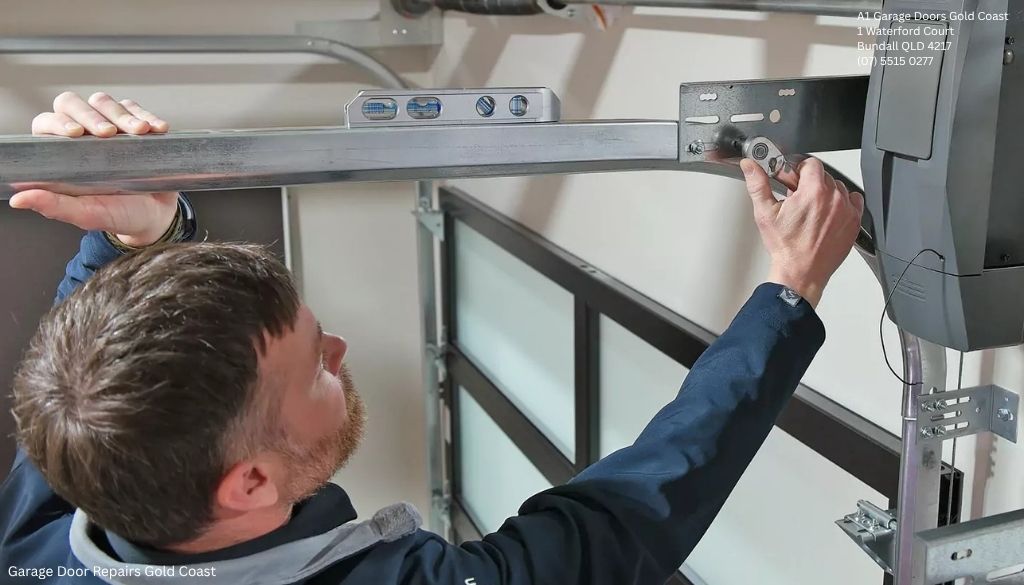
If your door obtains heavy, starts slamming, or refuses to stay well balanced by hand, stop using the opener until a professional checks it. That is specifically true when a springtime breaks. Individuals are commonly amazed by how all of a sudden that can happen, and they might proceed attempting to force the opener to relocate the door. That is just how a spring trouble turns into an electric motor problem.
Where fixing suits the life of a well-installed door
Even the most effective setup does not eliminate future service. It reduces unnecessary service. Rollers put on. Weather seals harden. Springs reach completion of their cycle life. Openers age. Cars and trucks bump panels. Wires fray. Great installation gives those parts the best chance to reach their intended lifespan.
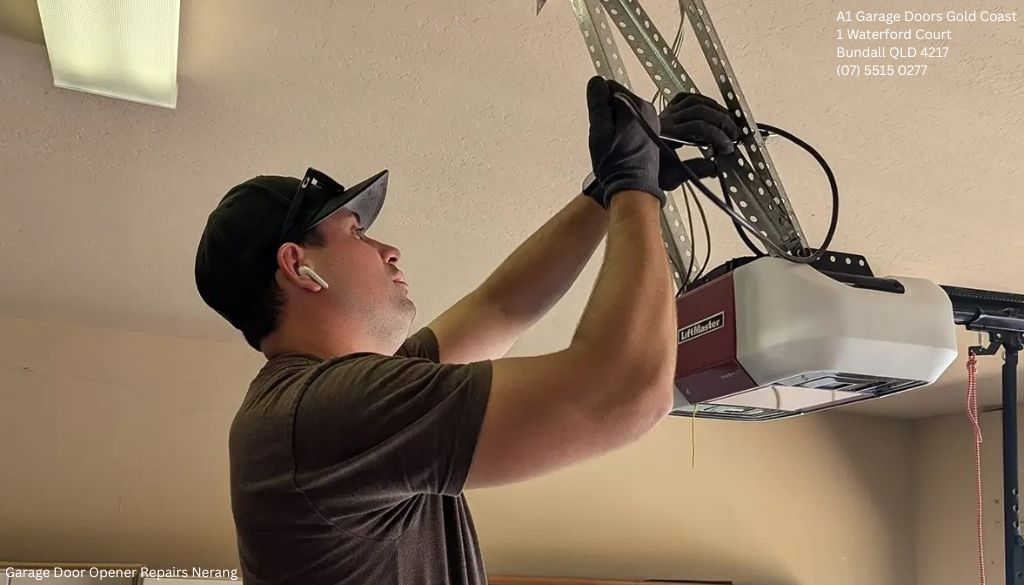
That is why the worlds of garage door installation and Garage door repair overlap a lot. The business that mount well commonly fix extra successfully due to the fact that they recognize how the original system was supposed to work. In domestic garage door repair, that may indicate dealing with a drooping leading section prior to it damages the opener arm connection. In business garage door repair, it may imply catching a misaligned lower bar prior to a rolling steel door starts tracking badly.
A well-installed door normally informs you when it needs solution. It gets louder, heavier, or less smooth. An inadequately mounted door is unpredictable from the start, which makes medical diagnosis tougher and possession more frustrating.
Why novices are typically much better served by a professional install
There is a great deal home owners can do around the house with patience and good devices. Garage doors sit near the border where mechanical intricacy and injury danger rise sharply. The panels are awkward, the resistances issue, and the springtime system demands respect. Even for capable do-it-yourselfers, the cost savings typically go away when specialized tools, correction work, and wasted time are factored in.
Professional installation provides you greater than labor. It provides you right springtime sizing, proper track geometry, risk-free opener arrangement, and someone accountable if the system does not perform as it should. It also often tends to produce a cleaner final result, quieter procedure, and less callbacks for avoidable issues.
For beginners, that peace of mind deserves a lot. A garage door should not be an experiment. It needs to be a trustworthy component of the building, fitted correctly the first time, ready to open smoothly on chilly mornings, wet mid-days, and long workdays without coming to be a source of noise, concern, or preventable repair services. When professional setup is done well, that dependability becomes virtually unseen, and that is exactly the point.